Guides
How to reconstitute peptides: a calm, step-by-step guide
Turning a freeze-dried peptide into a usable research solution is mostly about clean technique and simple math. Here is what bacteriostatic water is, how to mix without damaging the peptide, and how to work out concentrations.
October 29, 2026 · 6 min read
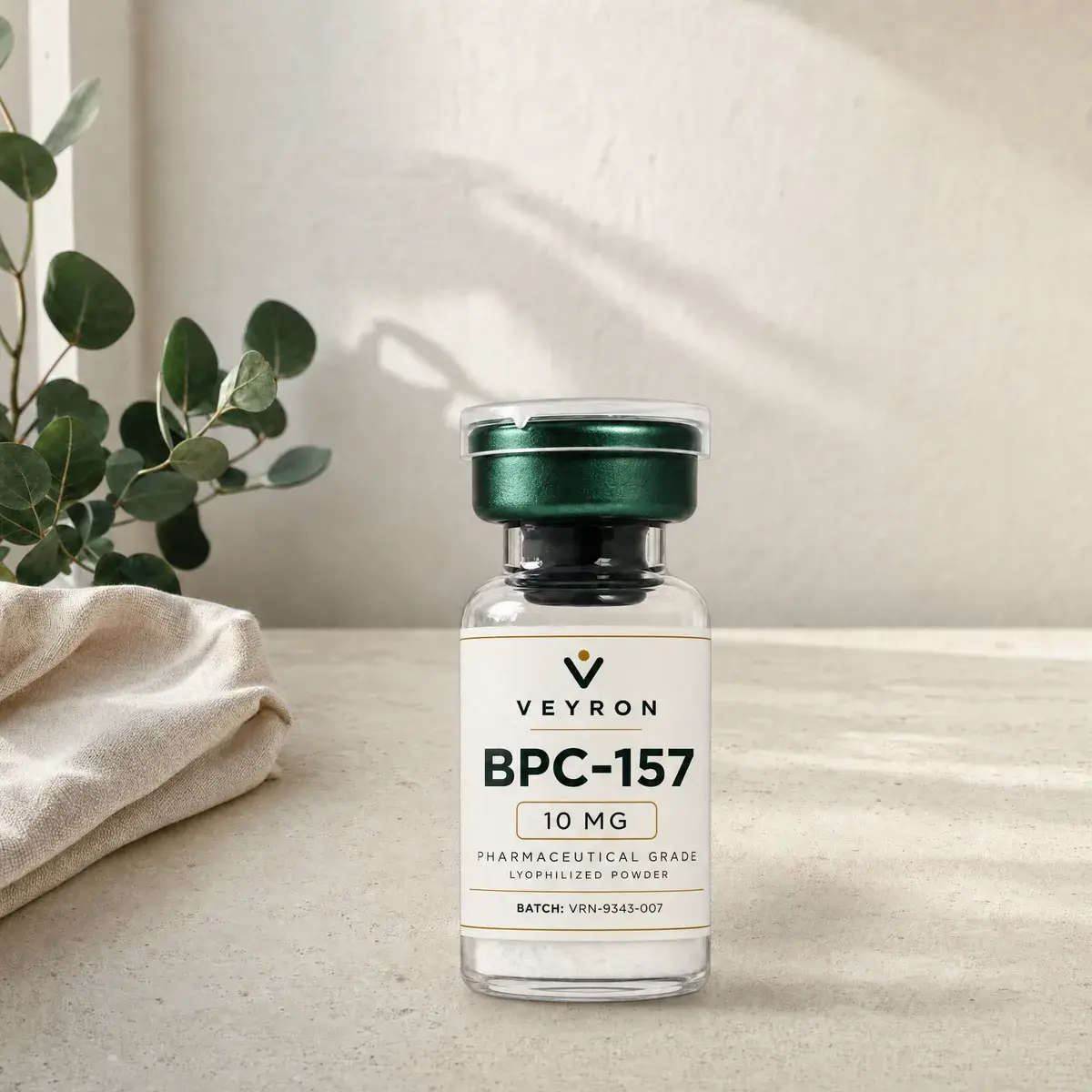
Most research peptides arrive as a small white "cake" or powder at the bottom of a vial. That freeze-dried form keeps them stable in transit, but before you can work with them they need to be dissolved, a step called reconstitution. It is not difficult: it comes down to clean technique, a gentle hand and a little arithmetic. This guide walks you through all three.
Why peptides come freeze-dried
Freeze-drying (lyophilization) removes water from a frozen product under vacuum. It is widely used in pharmaceutical manufacturing because many proteins and peptides are more stable as a dry solid than in solution: in water they are more exposed to chemical changes such as hydrolysis, oxidation and deamidation, and to physical changes such as aggregation. Reviews of protein stability describe these pathways in detail and explain why the dry state is usually the safer form for storage.
The practical consequence for you: the clock starts ticking more noticeably once a peptide is in solution. So reconstitute only when you plan to work with the vial, and handle the solution with care.
What bacteriostatic water is
Bacteriostatic water (often shortened to BAC water) is sterile, non-pyrogenic water for injection with 0.9% benzyl alcohol (9 mg per ml) added as a preservative. According to the official US product labeling, it is supplied in a multiple-dose container from which repeated withdrawals can be made to dilute or dissolve drugs. The benzyl alcohol does not sterilise anything; it suppresses the growth of bacteria that might be introduced when a stopper is punctured several times.
Benzyl alcohol is one of the most commonly used preservatives in multi-dose peptide and protein products, as a 2007 review of parenteral preservatives notes. That does not mean it suits every molecule: a 2023 overview points out that some preservatives can increase particle formation of certain proteins and peptides, so compatibility is always checked per compound. The labeling also carries a clear warning that benzyl alcohol-containing solutions must not be used in newborns, a lesson from the "gasping syndrome" cases described in premature infants in 1982.
| Diluent | Preservative | Suited to repeated withdrawals? |
|---|---|---|
| Bacteriostatic water | 0.9% benzyl alcohol | Yes, that is its purpose |
| Sterile water for injection | None | No, intended for single use |
| 0.9% saline | None (unless labelled bacteriostatic) | No, intended for single use |
What you need and how to keep it clean
Sterile technique is the part that matters most, and it is mostly about habits:
- A clean, uncluttered surface and freshly washed hands.
- Alcohol wipes for the rubber stoppers of both vials. Wipe, then let the alcohol dry completely.
- A sterile 3 ml drawing syringe for moving the water, and graduated U-100 insulin syringes for measuring small volumes afterwards.
- A fresh, sealed needle for every entry into a vial. Never touch the needle or the cleaned stopper.
If you prefer everything in one box, the research kit bundles the basics.
Step by step: mixing without damage
- Let both vials reach room temperature. This reduces condensation and makes the powder dissolve more evenly.
- Wipe both stoppers with an alcohol wipe and let them air-dry.
- Draw the planned volume of BAC water into the drawing syringe. Decide on the volume first (see the math below), so you do not have to guess afterwards.
- Insert the needle at an angle into the peptide vial and let the water run slowly down the inside of the glass wall. Do not squirt it straight onto the powder.
- Swirl, don't shake. Gently roll the vial between your fingers or turn it slowly. Vigorous shaking introduces air and shear forces, and agitation is one of the stresses known to promote protein aggregation.
- Wait and look. Most peptides dissolve within a minute or two. The result should be clear. Cloudiness, flakes or particles that do not dissolve are a reason not to use the vial.
- Label the vial with the date and the concentration you created.
The math: concentration and syringe units
Reconstitution math has only two steps. First, the concentration:
Concentration = amount of peptide ÷ volume of water
Example: a 10 mg vial plus 2 ml of BAC water gives 10 ÷ 2 = 5 mg/ml.
Second, converting a volume into syringe units. A U-100 insulin syringe holds 100 units per 1 ml, so 1 unit = 0.01 ml. At 5 mg/ml, one unit therefore contains 5 × 0.01 = 0.05 mg (50 mcg). If, purely as a calculation, you want to know how many units correspond to an amount of 0.25 mg: 0.25 ÷ 5 = 0.05 ml, which is 5 units.
The volume of water you choose only changes the concentration, not the total amount in the vial. More water makes each unit "weaker" and easier to measure finely:
| 10 mg vial + water | Concentration | Amount per unit (U-100) |
|---|---|---|
| 1 ml | 10 mg/ml | 0.10 mg |
| 2 ml | 5 mg/ml | 0.05 mg |
| 3 ml | 3.33 mg/ml | about 0.033 mg |
| 5 ml | 2 mg/ml | 0.02 mg |
These numbers are arithmetic, not recommendations. To avoid mistakes, you can run any combination through the Veyron peptide calculator, which does the conversion for you.
Storage before and after mixing
Before reconstitution: keep the freeze-dried vial cold, dry and away from light, ideally in the fridge, and in the freezer for longer storage if the product information says so. Moisture is the main enemy of a dry powder.
After reconstitution: store the solution in the fridge (2–8 °C), upright, and protected from light, for example in its box. Avoid freezing and thawing a dissolved peptide repeatedly, because freeze–thaw cycles are a well-known source of protein instability. Always follow the storage information on the specific product page. Unopened BAC water itself is labelled for room temperature (20–25 °C).
Prefer to skip mixing? The pre-filled option
Not everyone wants to work with vials, syringes and calculations. The Veyron Pen comes pre-mixed in solution, so there is no reconstitution step and no concentration math. If you are still deciding which compound fits your research topic, from BPC-157 in recovery research to metabolic peptides, the Peptide Finder helps you narrow it down in a few questions.
Sources
- Hospira, Inc. Bacteriostatic Water for Injection, USP. Prescribing information (US labeling). DailyMed, U.S. National Library of Medicine. DailyMed label
- Meyer BK, Ni A, Hu B, Shi L. Antimicrobial preservative use in parenteral products: past and present. J Pharm Sci. 2007;96(12):3155–3167. PubMed 17722087
- Stroppel L, Schultz-Fademrecht T, Cebulla M, et al. Antimicrobial preservatives for protein and peptide formulations: an overview. Pharmaceutics. 2023;15(2):563. doi:10.3390/pharmaceutics15020563
- Manning MC, Chou DK, Murphy BM, Payne RW, Katayama DS. Stability of protein pharmaceuticals: an update. Pharm Res. 2010;27(4):544–575. doi:10.1007/s11095-009-0045-6
- Wang W. Lyophilization and development of solid protein pharmaceuticals. Int J Pharm. 2000;203(1–2):1–60. doi:10.1016/S0378-5173(00)00423-3
- Gershanik J, Boecler B, Ensley H, McCloskey S, George W. The gasping syndrome and benzyl alcohol poisoning. N Engl J Med. 1982;307(22):1384–1388. PubMed 7133084
This article describes laboratory handling of research products and is for information only. It is not medical advice and does not recommend any use in humans. If you have questions about your health, please talk to a doctor.
Mentioned in this article
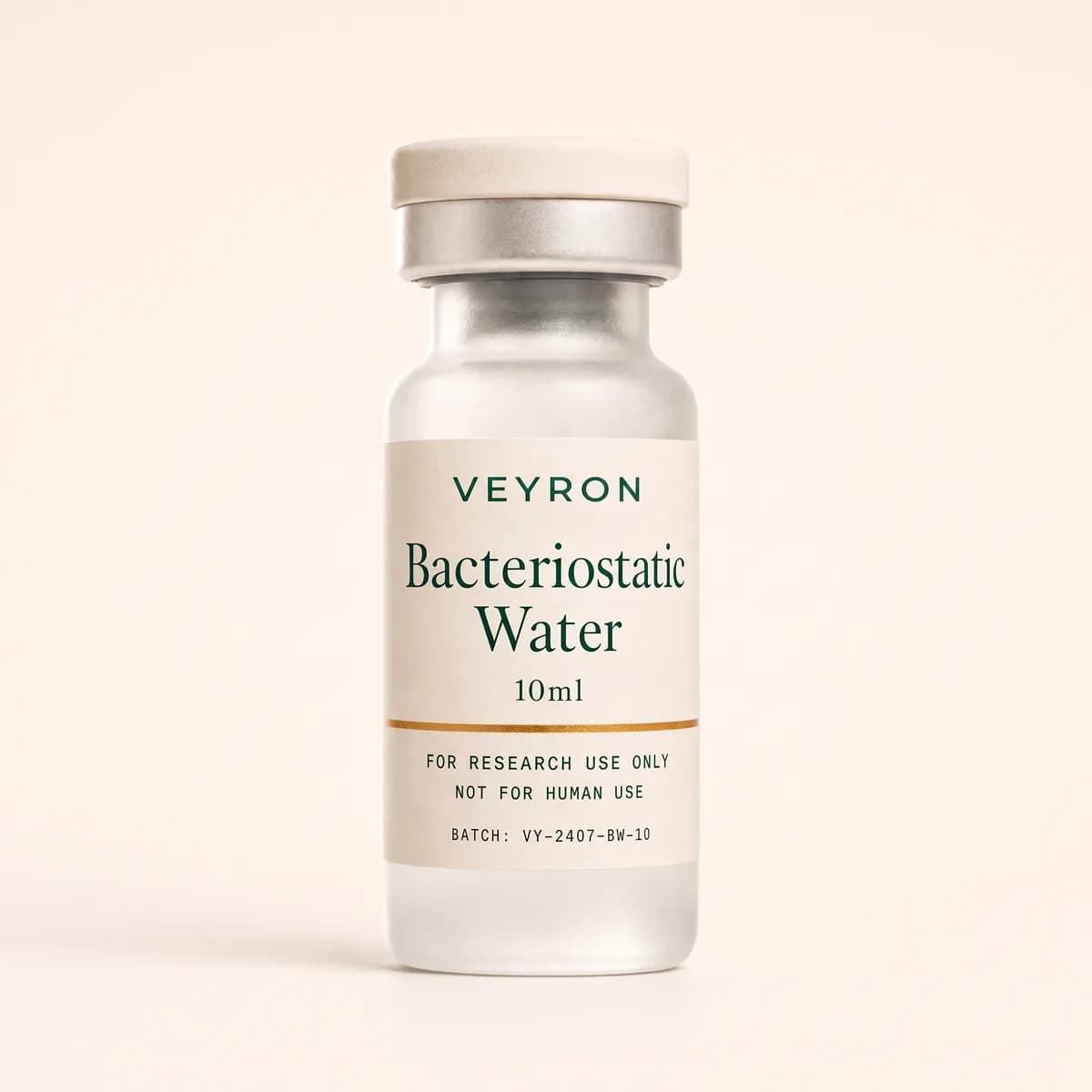
Bacteriostatic Water
The go-to liquid for dissolving peptides
from €10
View product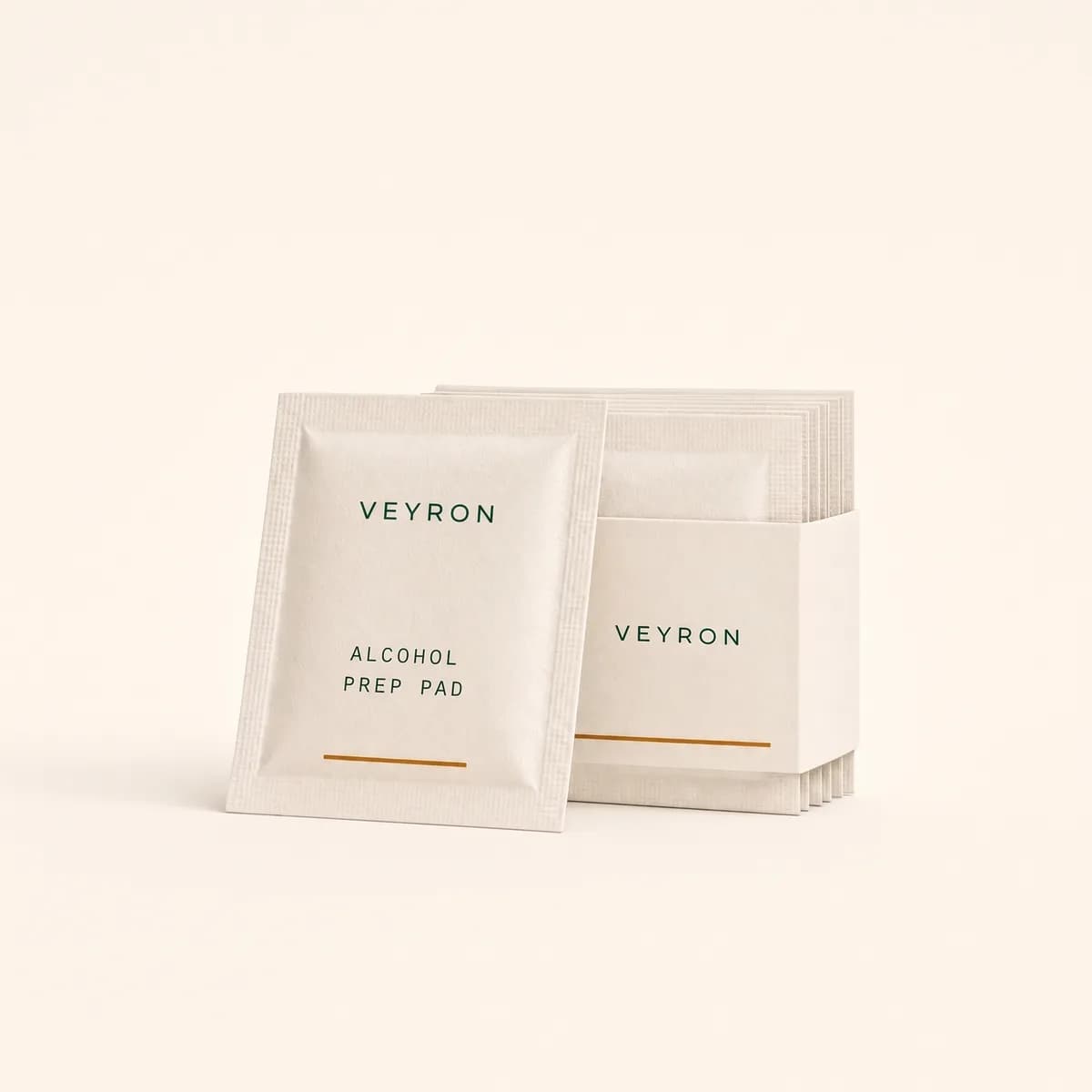 Chosen 8×
Alcohol Wipes (10 pack)
Quick cleaning before every step
from €2.50
View product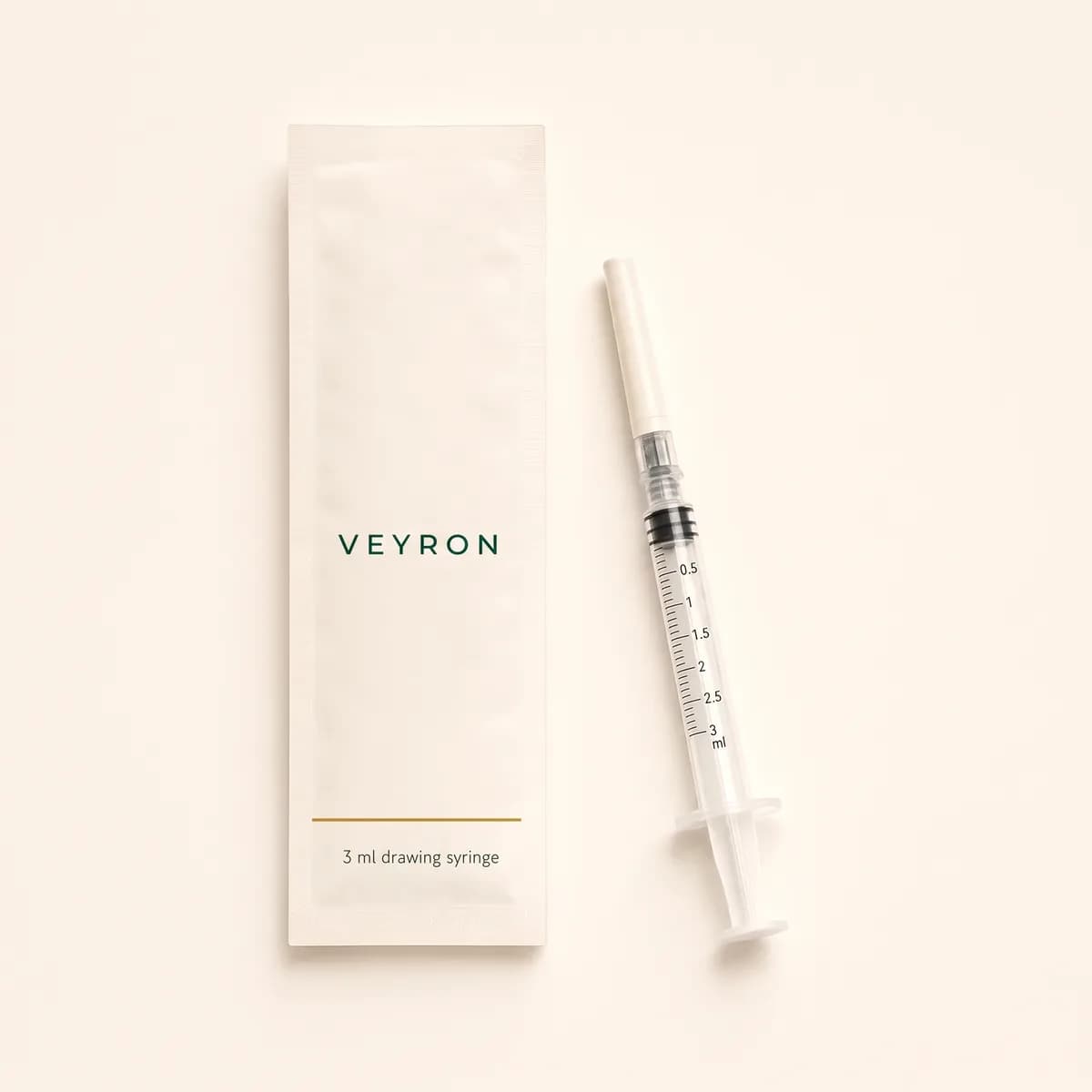 Chosen 7×
Drawing Syringe 3 ml
Easy, clean transfer of liquids
from €3.50
View product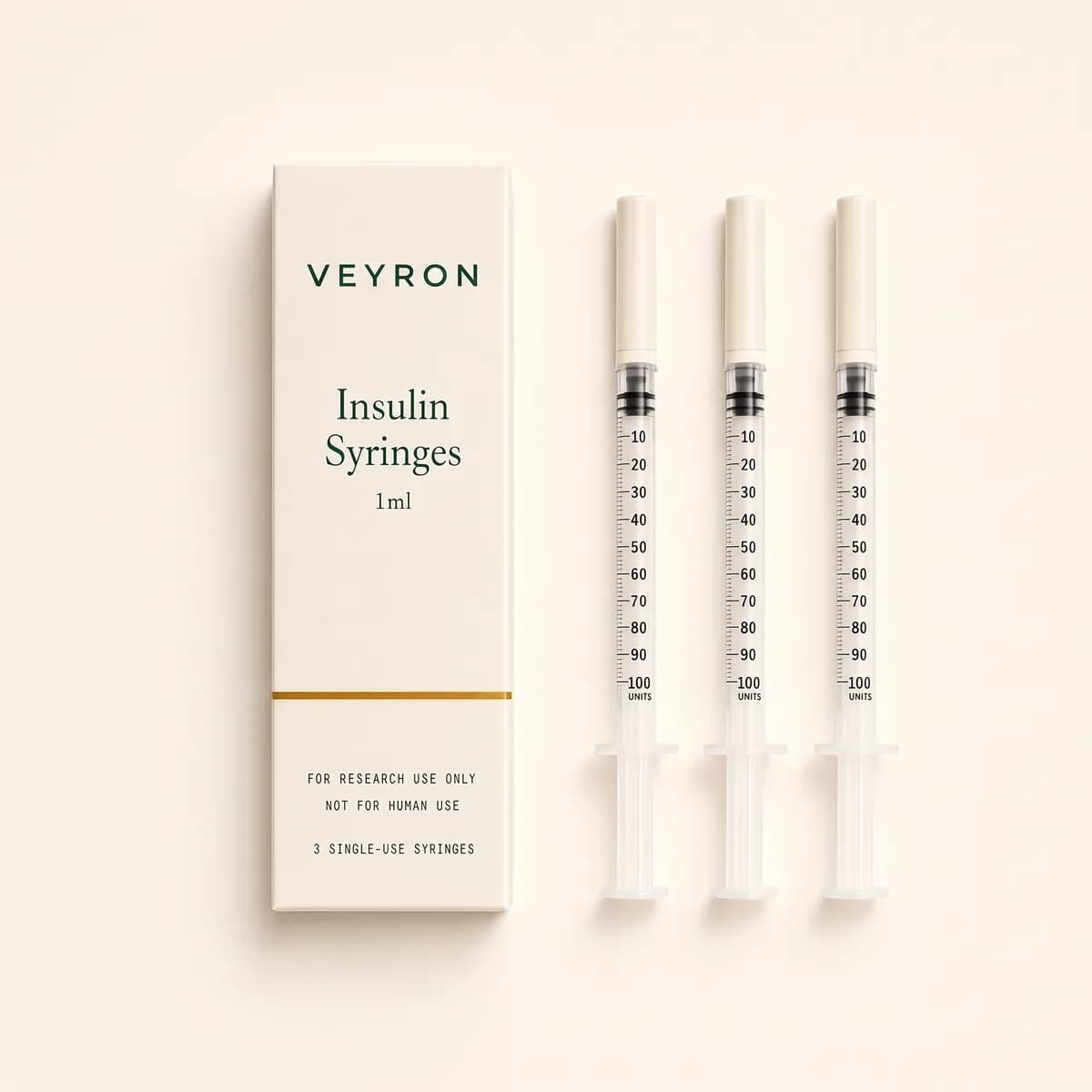
Insulin Syringes (0.5 ml / 1 ml)
Fine syringes for precise small volumes
from €6.50
View product
Not sure which one fits you?
Answer a few questions and the Peptide Finder suggests a match in 60 seconds.