Blog
Peptides, clearly explained
What the research says, how compounds compare and how to handle them — written in plain language.
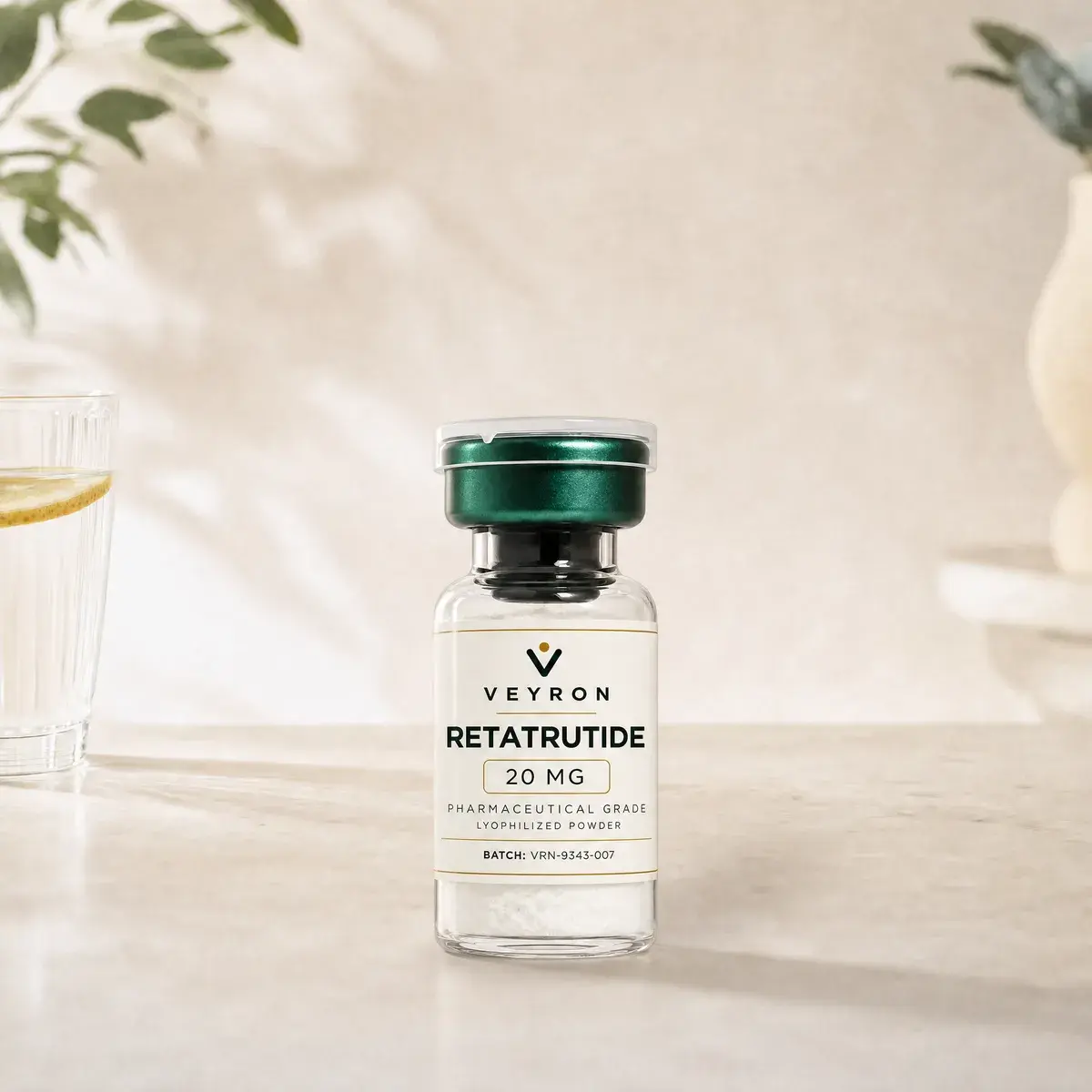 Weight lossRetatrutide vs Semaglutide vs Tirzepatide: What Studies ShowSemaglutide, tirzepatide and retatrutide are related, but they act on different hormone receptors and sit at very different stages of research. Here's what the main trials found, side by side.6 min readRead
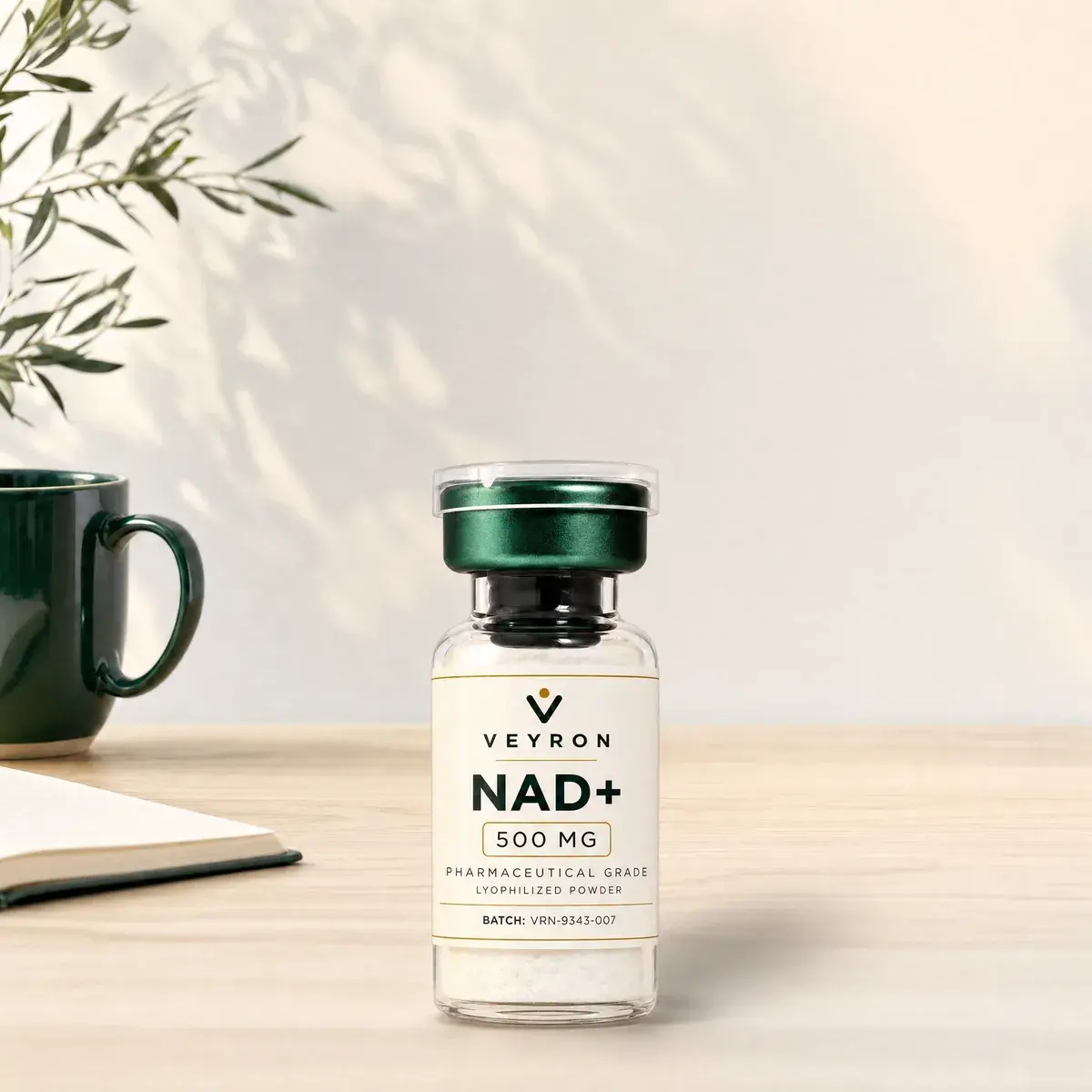 Energy & FocusWhat Is NAD+? Cellular Energy, Ageing and the ResearchNAD+ is a coenzyme at the heart of cellular energy and sirtuin activity. Here is what it does, how precursors like NR and NMN compare, and what human studies really show.6 min readRead
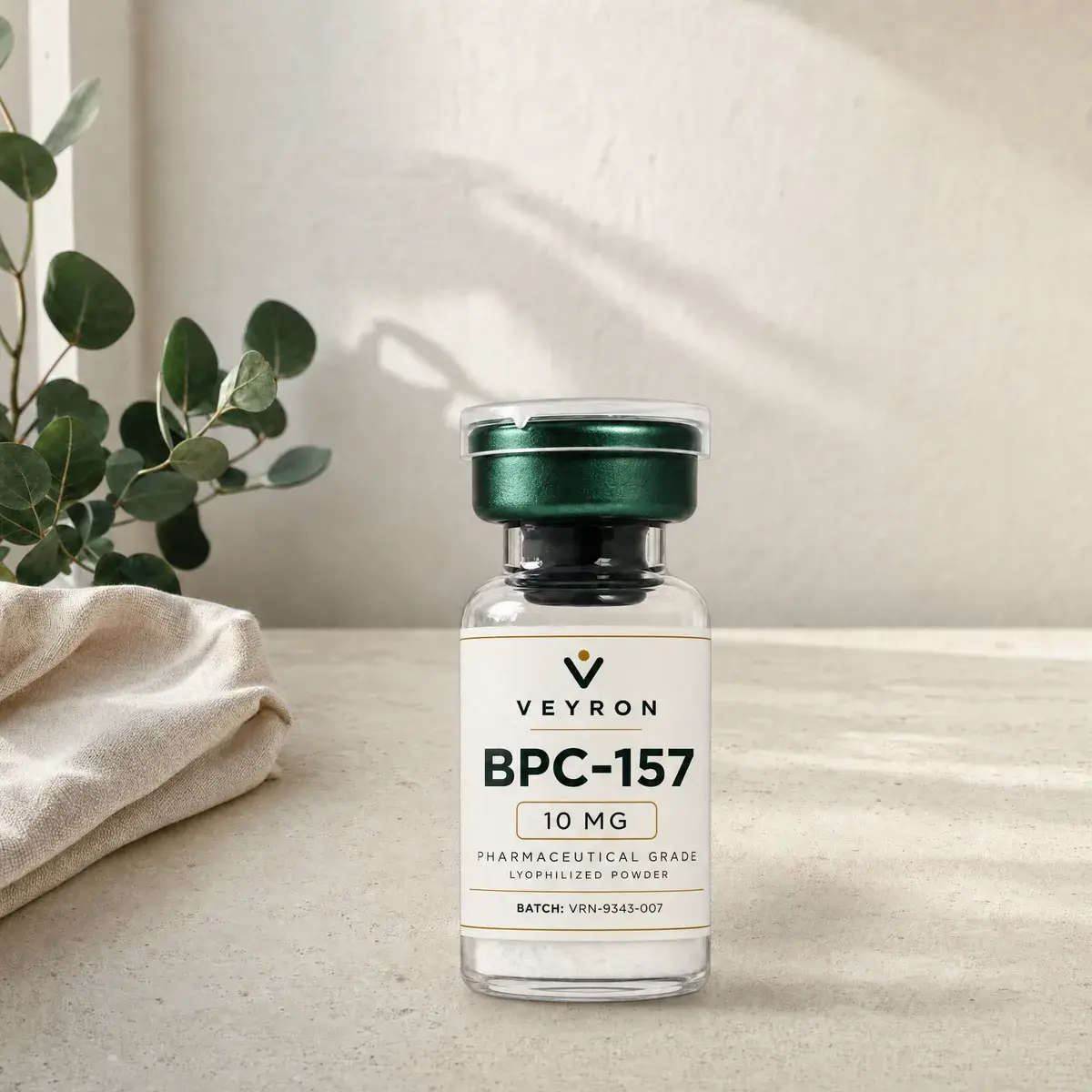 GuidesHow to reconstitute peptides: a calm, step-by-step guideTurning a freeze-dried peptide into a usable research solution is mostly about clean technique and simple math. Here is what bacteriostatic water is, how to mix without damaging the peptide, and how to work out concentrations.6 min readRead
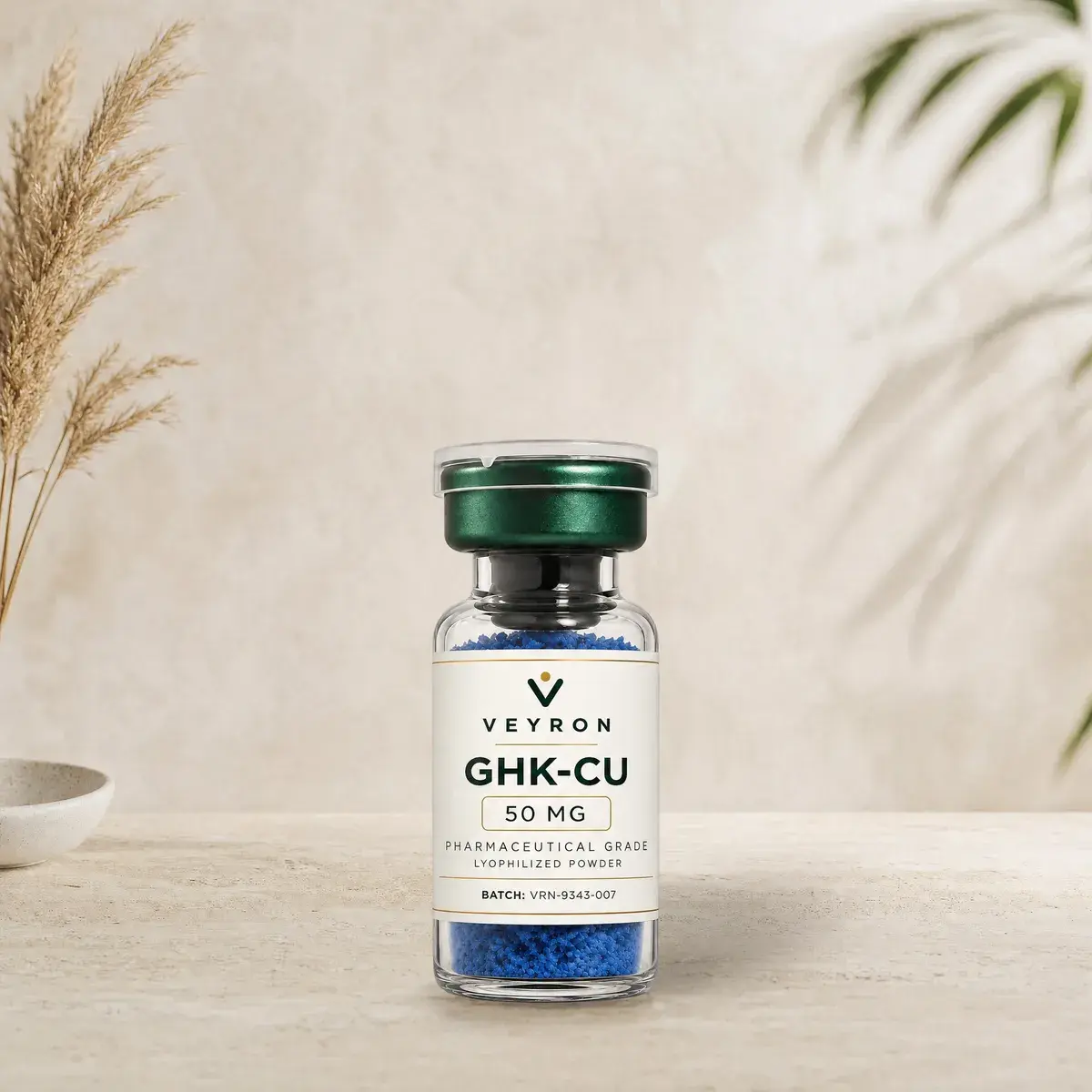 Skin & HairGHK-Cu Copper Peptide: What the Research ShowsGHK-Cu is a tiny peptide that carries a copper ion and occurs naturally in your blood. Here is what lab, animal and cosmetic studies have looked at, and how to read that evidence calmly.7 min readRead
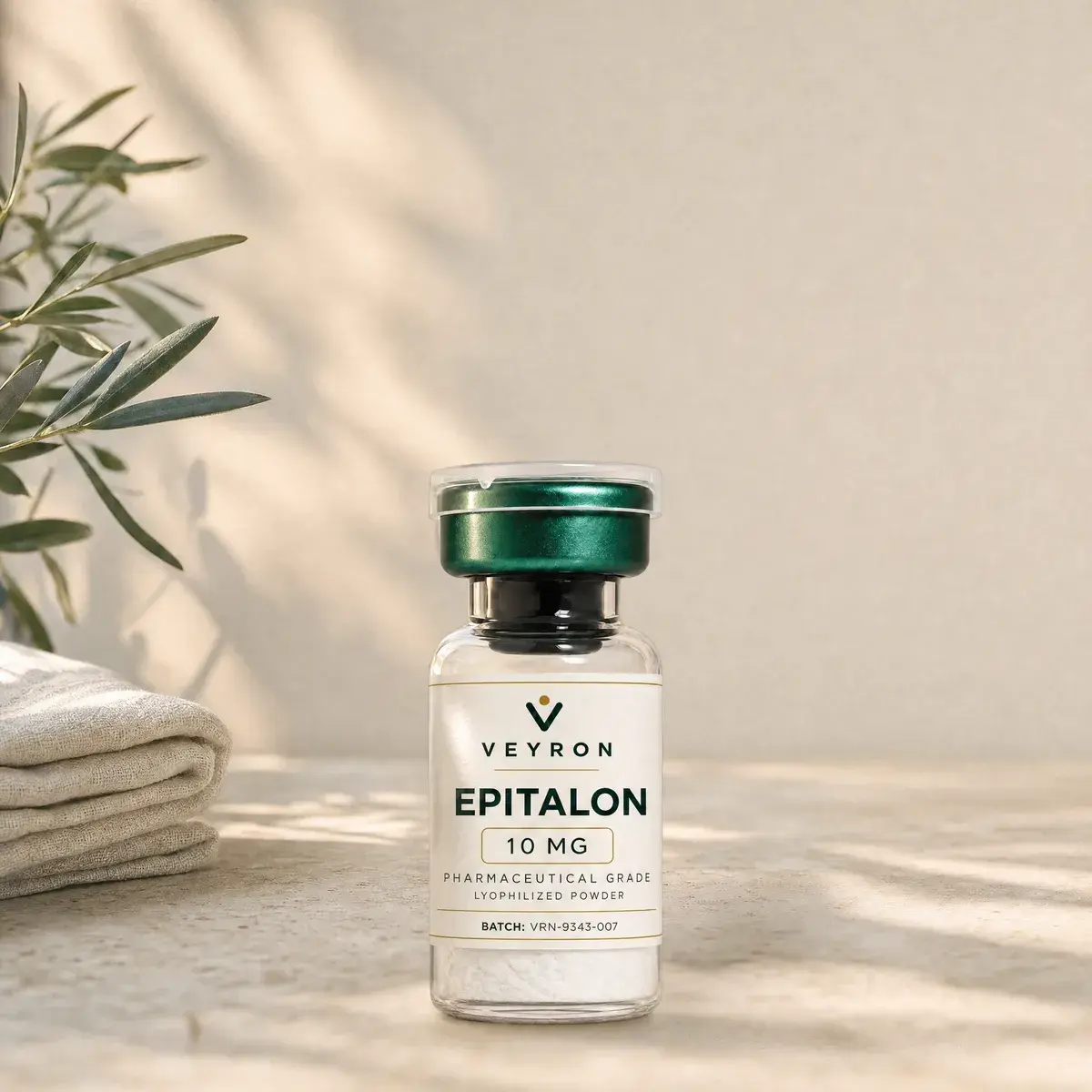 Healthy AgingEpitalon explained: what the research really showsEpitalon is a small four-amino-acid peptide from Russian ageing research. Here is where it comes from, what cell, animal and human studies have looked at, and how solid that evidence is.7 min readRead
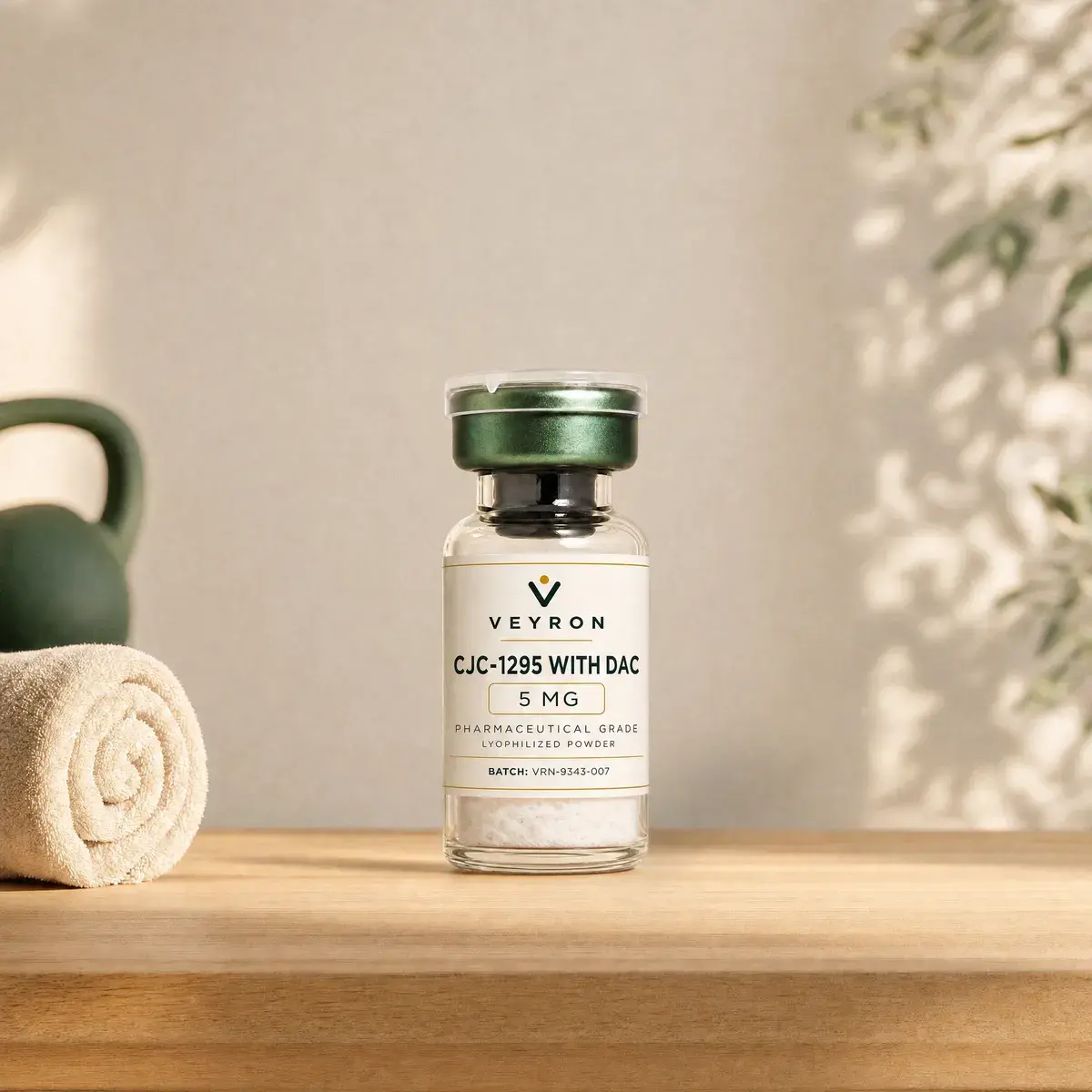 Muscle & performanceCJC-1295 with or without DAC: what's the difference?Same name, two different peptides. What DAC does to half-life, what the studies found on GH pulses, and how ipamorelin and sermorelin fit in.7 min readRead
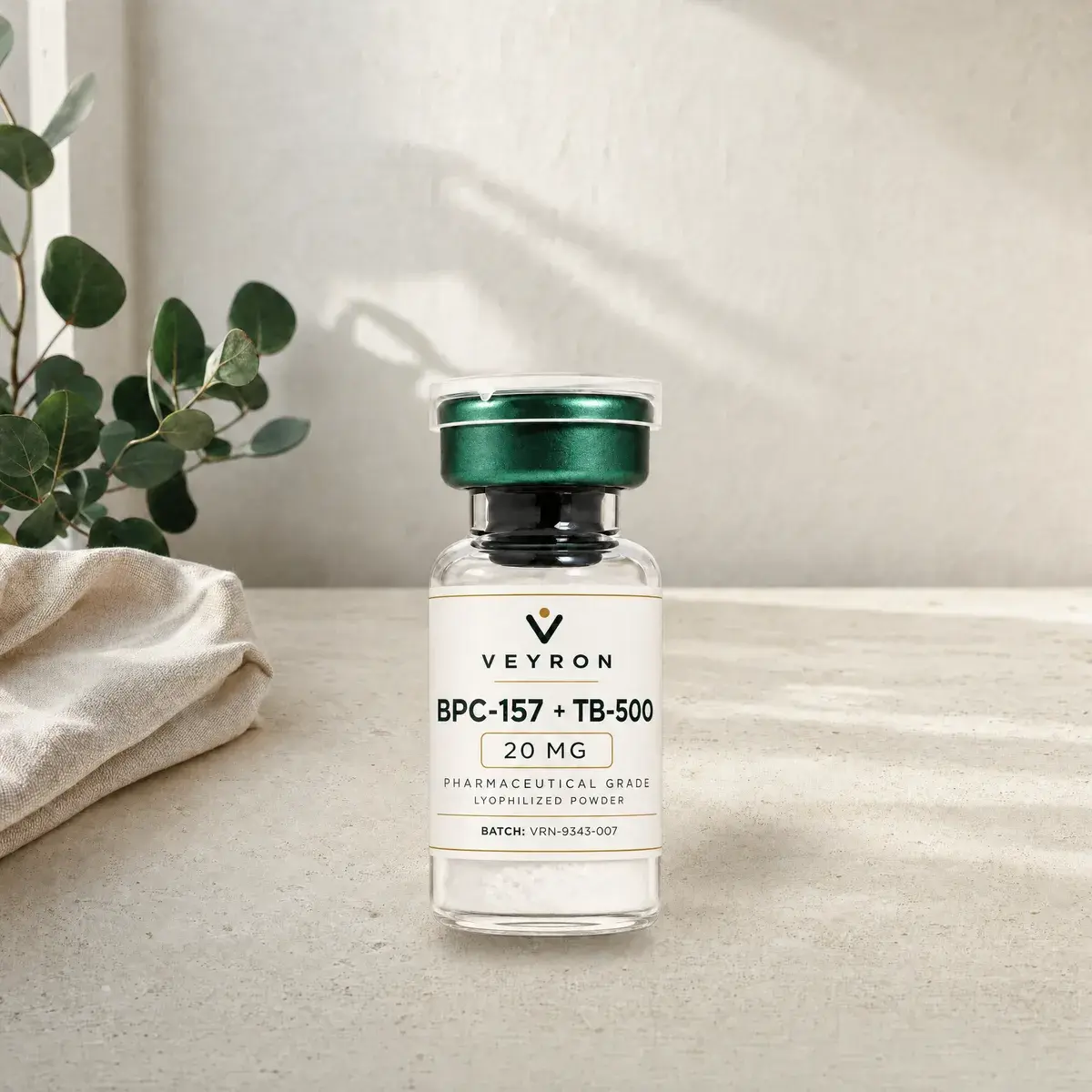 RecoveryBPC-157 vs TB-500: The Key Differences ExplainedBPC-157 and TB-500 are often named together, but they are very different peptides. Here is what each one is, what research has studied, and how thin the human evidence still is.6 min readRead