Energy & Focus
What Is NAD+? Cellular Energy, Ageing and the Research
NAD+ is a coenzyme at the heart of cellular energy and sirtuin activity. Here is what it does, how precursors like NR and NMN compare, and what human studies really show.
October 29, 2026 · 6 min read
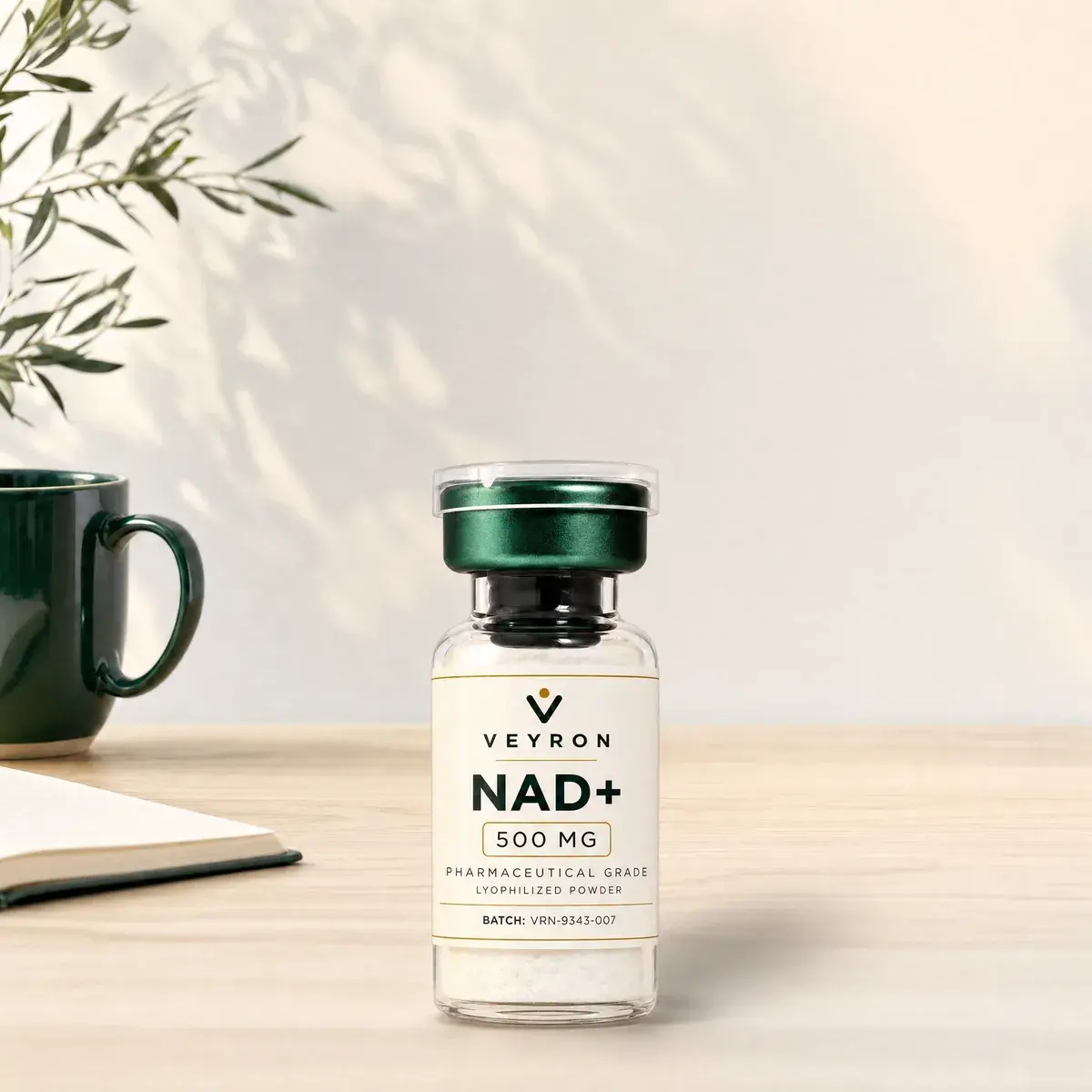
NAD+ comes up in almost every conversation about energy and ageing, often with bigger promises than the science supports. This guide explains, in plain terms, what NAD+ actually does in your cells, why researchers became interested in it, and what human studies have and have not shown so far.
What NAD+ is
NAD+ stands for nicotinamide adenine dinucleotide. It is a coenzyme found in every living cell, made in part from forms of vitamin B3. You can think of it as a small helper molecule that many enzymes need to do their job.
It has two broad roles:
- Energy metabolism. NAD+ shuttles electrons in the reactions that turn food into usable cellular energy (ATP), including inside the mitochondria. In this role it switches back and forth between NAD+ and its reduced form, NADH.
- Signalling and repair. NAD+ is also consumed by enzymes such as sirtuins, PARPs (involved in DNA repair) and CD38. These enzymes use NAD+ up rather than recycle it, so the cell has to keep remaking it.
NAD+ and sirtuins
Sirtuins are a family of seven enzymes (SIRT1 to SIRT7) that regulate how genes are switched on and off, how mitochondria behave and how cells respond to stress. They only work when NAD+ is available, which is why NAD+ is often described as the "fuel" for sirtuins.
Much of the excitement around NAD+ comes from animal research linking sirtuin activity to the effects of calorie restriction. A widely cited 2021 review in Nature Reviews Molecular Cell Biology summarises how NAD+ influences metabolism, DNA repair, cellular senescence and immune function. The same review is also careful to say that much remains to be learnt about whether raising NAD+ is effective and safe in ageing humans.
Does NAD+ decline with age?
In rodents and other model organisms, tissue NAD+ levels drop with age, and some human tissue studies point the same way. Proposed reasons include higher activity of NAD+-consuming enzymes such as CD38 and more ongoing DNA repair work.
The picture in people is less tidy than it is often presented. A 2026 narrative review in Frontiers in Aging notes that recent large-scale human data indicate whole-blood NAD+ does not decline with healthy ageing as such. Levels may still differ by tissue, health status and lifestyle. So "your NAD+ halves by middle age" is a simplification, not an established fact.
Precursors versus NAD+ itself
Because NAD+ is a fairly large molecule, researchers have mostly studied smaller building blocks, or precursors, that cells can turn into NAD+. The two best known are nicotinamide riboside (NR) and nicotinamide mononucleotide (NMN). NAD+ itself has also been studied, mainly by infusion.
| Compound | What it is | Human research so far |
|---|---|---|
| Nicotinamide riboside (NR) | A vitamin B3 form, converted to NAD+ in cells | Several small randomised trials; raises blood NAD+ markers, functional effects inconsistent |
| Nicotinamide mononucleotide (NMN) | One step closer to NAD+ in the pathway | Small randomised trials; some metabolic signals in specific groups |
| NAD+ (direct) | The coenzyme itself | Mostly small, uncontrolled studies and case reports; short-term rises in circulating NAD+ |
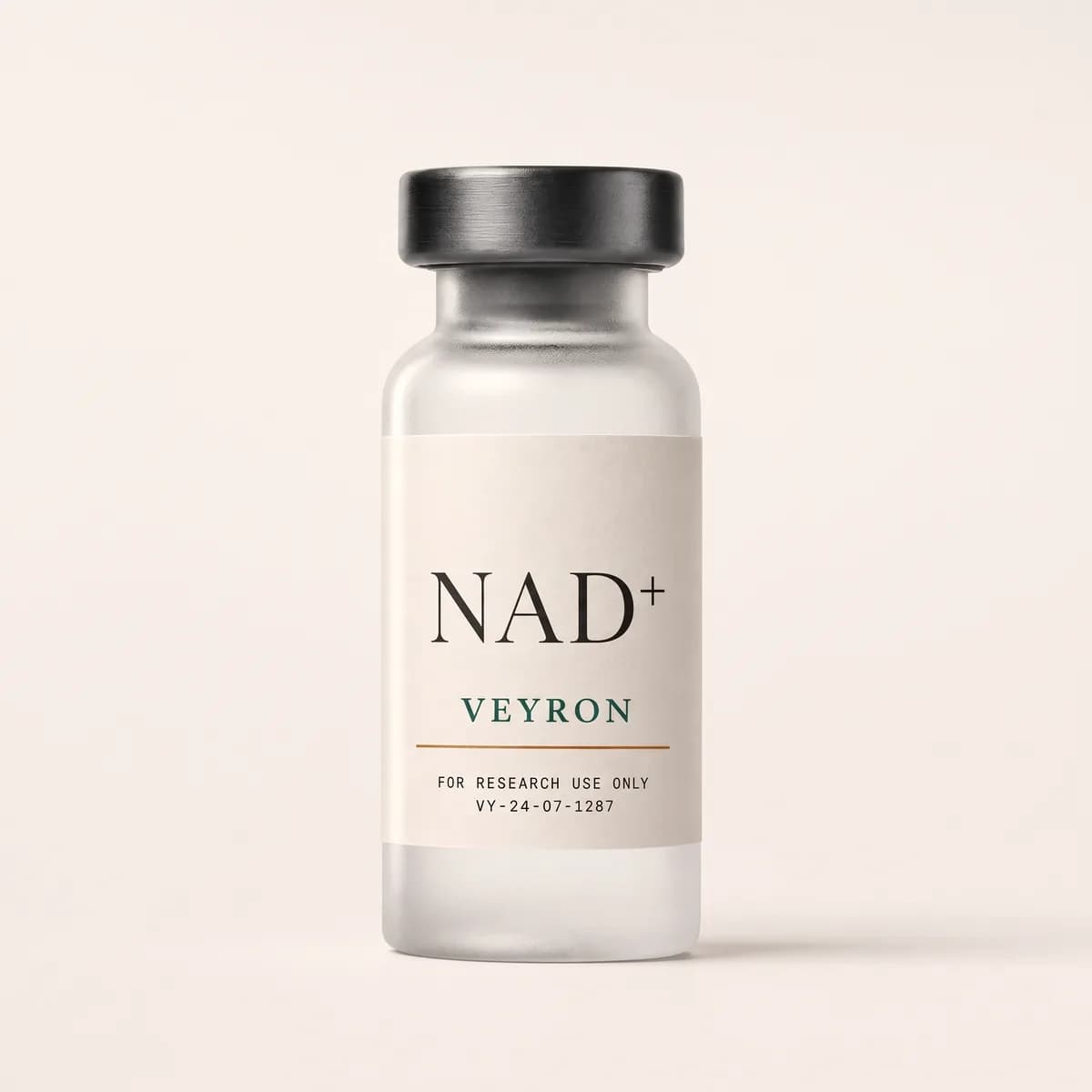
If you want to read about the research-grade compound itself, see our NAD+ product page.
What human studies actually show
The honest summary is: precursors reliably raise NAD+-related markers in the blood, but clear, repeatable health outcomes in people have not been established. A few examples:
- NR in healthy older adults (2018). In a randomised, double-blind, placebo-controlled crossover trial in Nature Communications (30 people randomised, 24 completed two 6-week periods), NR was well tolerated and increased NAD+ metabolism. Effects on blood pressure and arterial stiffness were only suggestive, and the authors called for larger trials.
- NMN in women with prediabetes (2021). A 10-week randomised, placebo-controlled trial in Science studied postmenopausal women with prediabetes who were overweight or obese. Muscle insulin sensitivity and insulin signalling increased with NMN but not with placebo. It was a small, specific group, so it says little about the general population.
- Direct NAD+ by infusion. The 2026 Frontiers in Aging review found the evidence to be sparse: mostly small uncontrolled studies, observational work and case reports, with transient rises in circulating NAD+. The authors conclude that efficacy and long-term safety remain uncertain.
Raising a blood marker is not the same as improving health. That gap is exactly what larger, longer human trials still need to close.
Related compounds studied for mitochondria
NAD+ is not the only route researchers use to study mitochondrial function. Two peptides often come up alongside it:
SS-31 (elamipretide)
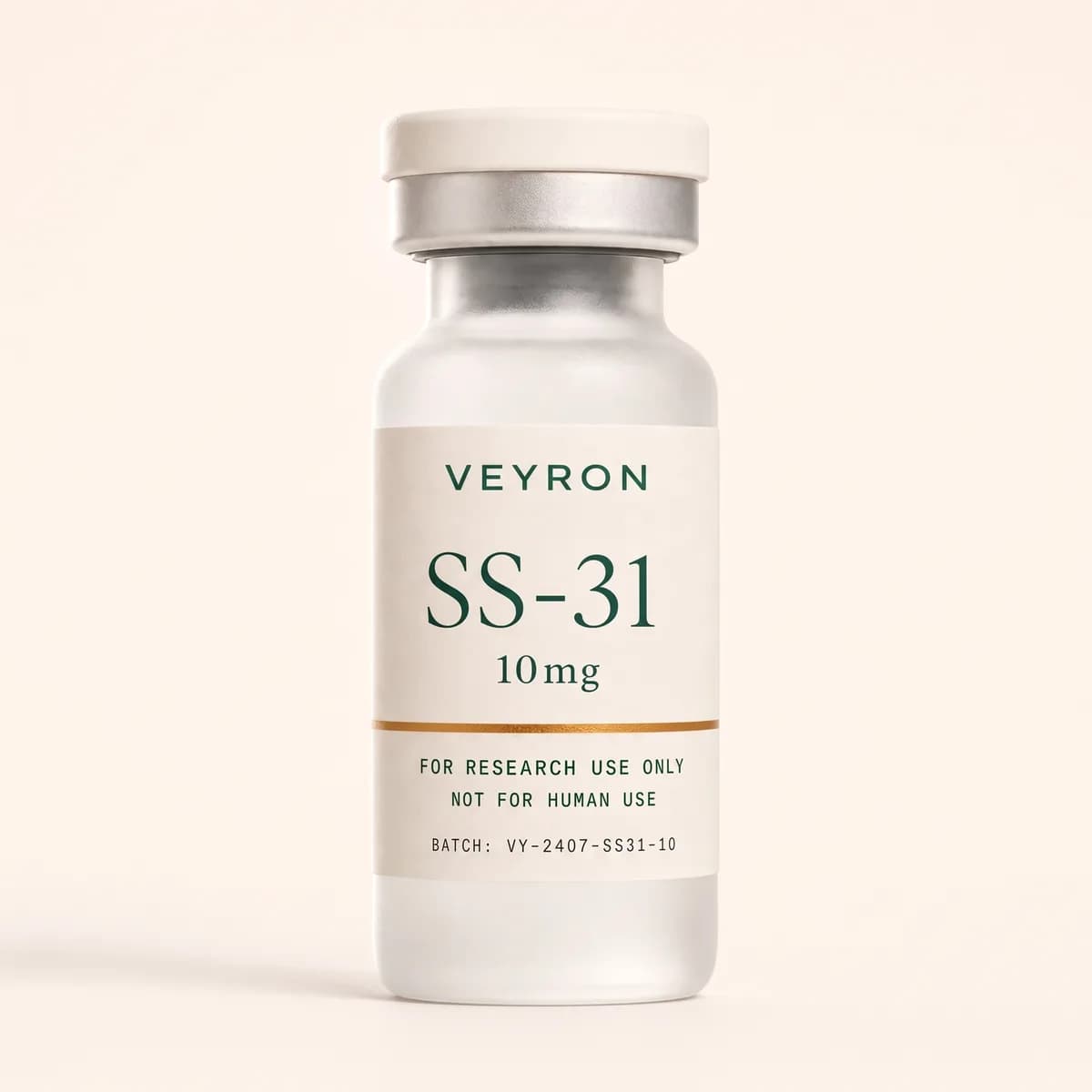
SS-31 is a small peptide that binds cardiolipin, a lipid in the inner mitochondrial membrane. It has reached human trials. In the phase 3 MMPOWER-3 trial (218 adults with primary mitochondrial myopathy, published in Neurology in 2023), it did not meet its primary endpoints, although a prespecified subgroup showed a signal that prompted further analysis. It is a useful reminder that a sound mechanism does not guarantee a clinical result.
MOTS-c
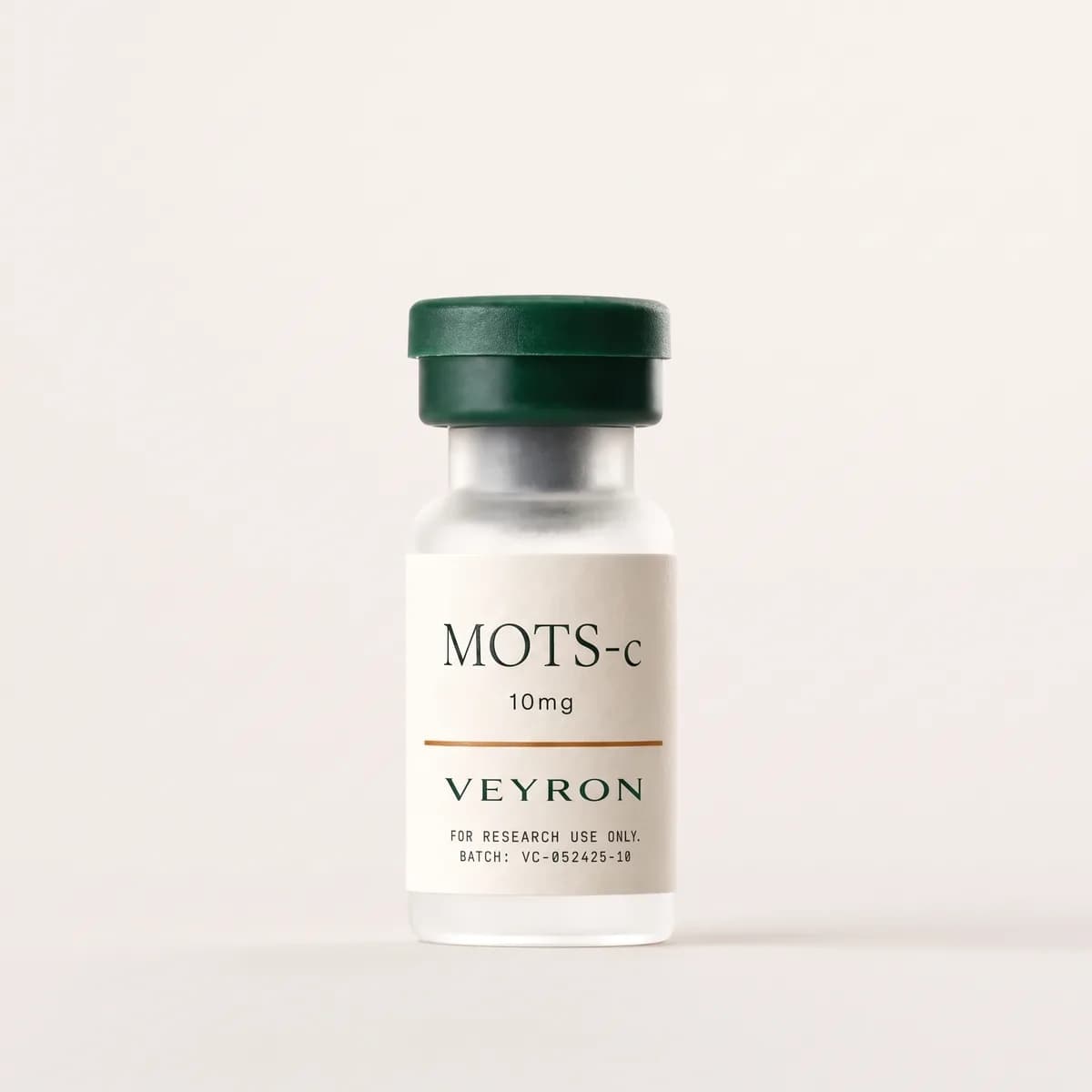
MOTS-c is a 16-amino-acid peptide encoded in mitochondrial DNA. The key 2015 Cell Metabolism study found that it acts largely on skeletal muscle through AMPK, and in mice it prevented diet-induced obesity and age-related insulin resistance. This evidence is preclinical (animal and cell studies); it has not been shown in humans.
The calm takeaway
NAD+ is a genuinely central molecule in energy metabolism and cell maintenance, and the biology behind the interest is real. What is still missing is solid evidence that raising NAD+ improves health outcomes in people. If you are exploring this area, our energy and focus and healthy ageing pages group related research compounds, and the Peptide Finder can help you narrow down what to read about next.
This article is for information only and is not medical advice. Talk to a doctor before making any decisions about your health.
Sources
- Covarrubias AJ, Perrone R, Grozio A, Verdin E. NAD+ metabolism and its roles in cellular processes during ageing. Nature Reviews Molecular Cell Biology. 2021;22(2):119–141. doi:10.1038/s41580-020-00313-x (PubMed 33353981)
- Martens CR, Denman BA, Mazzo MR, et al. Chronic nicotinamide riboside supplementation is well-tolerated and elevates NAD+ in healthy middle-aged and older adults. Nature Communications. 2018;9:1286. doi:10.1038/s41467-018-03421-7 (PubMed 29599478)
- Yoshino M, Yoshino J, Kayser BD, et al. Nicotinamide mononucleotide increases muscle insulin sensitivity in prediabetic women. Science. 2021;372(6547):1224–1229. doi:10.1126/science.abe9985 (PubMed 33888596)
- Alangari A, Arif J, Al Qureshah F, Alkhodairy F. Narrative review of intravenous NAD+ and NAD+ precursors in wellness and translational medicine. Frontiers in Aging. 2026. doi:10.3389/fragi.2026.1887175 (PubMed 42787547)
- Karaa A, Bertini E, Carelli V, et al.; MMPOWER-3 Trial Investigators. Efficacy and safety of elamipretide in individuals with primary mitochondrial myopathy: the MMPOWER-3 randomized clinical trial. Neurology. 2023. doi:10.1212/WNL.0000000000207402 (PubMed 37268435)
- Lee C, Zeng J, Drew BG, et al. The mitochondrial-derived peptide MOTS-c promotes metabolic homeostasis and reduces obesity and insulin resistance. Cell Metabolism. 2015;21(3):443–454. doi:10.1016/j.cmet.2015.02.009 (PubMed 25738459)
Mentioned in this article
Not sure which one fits you?
Answer a few questions and the Peptide Finder suggests a match in 60 seconds.